





Diagnosing and treating brain and nerve problems can be delicate. Did you know symptoms of illnesses like stroke, epilepsy, Parkinson's disease, multiple sclerosis, dementia, migraine, and peripheral nerve disorders often overlap with those of other conditions?
To make a precise diagnosis, neurologists have historically relied on clinical examinations, medical histories, brain imaging, laboratory testing, and long-term observation.
Today, technology in the neurological field has come a long way. New opportunities in neurological care come with artificial intelligence in Neurology, machine learning, enhanced imaging, wearable technology, telemedicine, digital monitoring, et al.
What May AI Do? - Overview
In addition to supporting earlier diagnosis, monitoring patients between consultations, and creating more individualized treatment plans are possible with AI assistance.
Researchers work more with AI in neurology in the areas of prevention, risk assessment, early detection, diagnosis, treatment, management, and rehabilitation.
Crucially, AI is meant to make neurologists’ work easier and more efficient. Its ability to assist medical experts in making quicker, more informed decisions while maintaining clinical reports and patient requirements at the center of treatment may be its biggest benefit.
Improved Brain Imaging
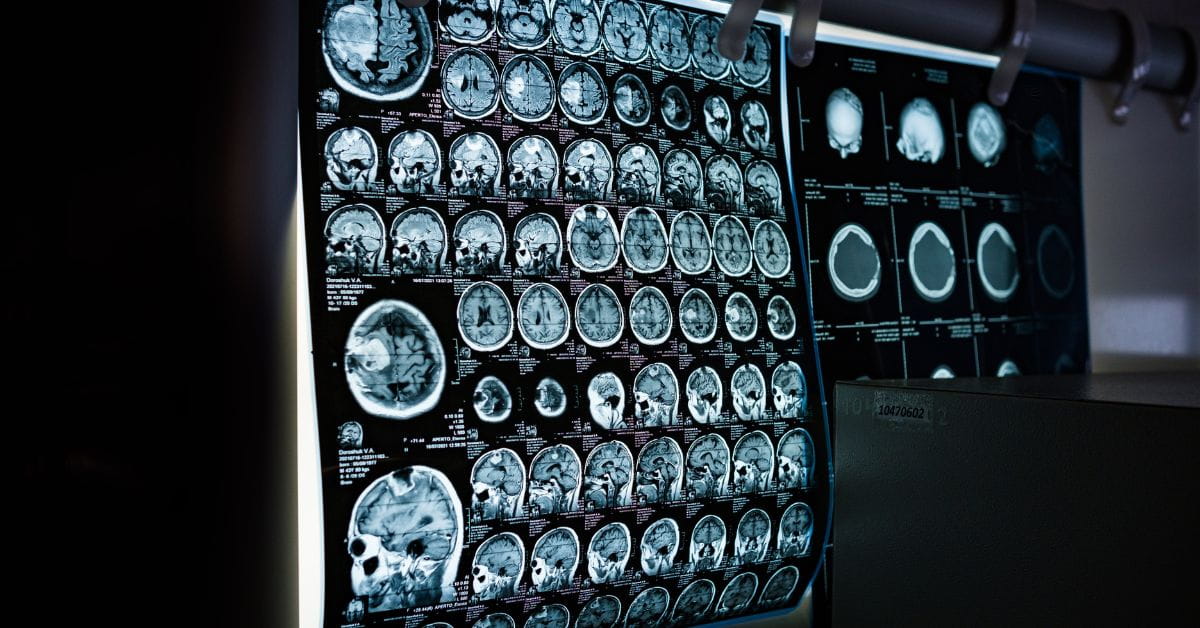
Imaging screening such as MRI, CT, PET, and others give doctors important insights into the brain. Now, AI can help with image processing and analysis by detecting anomalies, quantifying changes, and facilitating more effective scan evaluation for clinicians.
AI-assisted imaging, for instance, may be able to detect symptoms of neurological disorders. Also, this technology might detect brain tumors, stroke, or neurodegenerative illnesses. According to the FDA, AI-enabled medical technology can help with risk assessment, early disease detection, diagnosis, prognosis, et al.
But this does not imply that a patient's condition is determined by an AI system on its own. Rather, it can serve as a clinical support apparatus to assist doctors in deciphering difficult data.
Earlier Detection of Neurological Disorders
Many neurological conditions take time to show prominent symptoms, and early symptoms can be mild, making timely diagnosis difficult. AI can find patterns linked to illness risk. This is done by analyzing data from imaging, electronic health records, neurological evaluations, and other sources.
In the long run, this might encourage earlier action, especially when symptoms are hard to diagnose in the early stages of illness. Treatment, lifestyle modifications, rehabilitation, or monitoring may be more successful when implemented at the right time; early detection plays a crucial role here.
Remote Neurological Monitoring & Wearable Technology
Movement, heart rate, sleep, activity, and other quantifiable indications can be gathered via smartwatches. Plus, fitness trackers, smartphone apps, sensors, and other wearable technology contribute a lot here.
These tools may offer helpful information on changes that are challenging to record during a brief clinic visit for individuals with neurological problems.
Digital monitoring, for instance, could assist in tracking:
- Movement patterns and tremor
- Walking and balance
- Quality of sleep
- Exercise
- Changes induced by medication
- Signals associated with seizures in specific environments
- Changes in daily functionality every day
This can provide medical professionals with a more comprehensive understanding of how a neurological condition impacts a patient's daily life. Healthcare teams may have access to longitudinal data gathered over days or weeks.
AI & Patient-Centric Nerve and Brain Care
We have to understand that not everyone is affected by neurological diseases in the same manner. Even when two patients have the same diagnosis, their symptoms, type of illness, reactions to treatment, and risk factors may differ.
Yes, in many cases, AI in neurological diagnosiscould contribute to more individualized neurological care. These systems could assist in identifying patterns related to therapy response or disease progression, done by evaluating various patient data types.
The FDA acknowledges risk assessment and customized diagnostics as possible uses for AI-enabled medical technology. However, high-quality data is necessary for individualized medication for sure.
Not every population will benefit equally from an AI model that was trained on sparse or non-representative data. AI is being used in neurology to analyze enormous volumes of complex data, including clinical records, genetic information, and brain imaging.
Neurological Rehabilitation is Changing Due to Technology
Moreover, AI technology can aid in the healing process following a neurological illness or damage. For instance, repetitive activities intended to enhance strength, coordination, balance, speech, and everyday function may be part of stroke therapy.
Yes, certain rehab programs can be made more interactive and quantifiable through the use of digital rehab platforms, robots, virtual reality, motion sensors, and AI-supported systems.
As it modifies activities based on a patient's abilities and progress over time, AI may further personalize your therapy. Making rehabilitation more approachable, quantifiable, efficient, and sensitive to patients is the main goal.
Access to Neurological Care with Telemedicine
It can be challenging to get access to neurological specialists everywhere in our country. This is especially true for those who live far from large hospitals or specialized facilities in India.
Patients can consult neurologists from a distance because of telemedicine. Electronic communication, digital records, remote monitoring, and video consultations may facilitate more convenient follow-up care for us.
For the long-term treatment of some neurological disorders, when routine monitoring may be more essential than recurrent in-person testing, this can be extremely helpful.
AI may be able to find patterns in imaging and clinical data, but emergency treatment decisions need to be made under a trusted doctor’s supervision only.
What’s the AI's Role in Neurological Research?
The use of AI can help medical research on the brain and nervous system. Massive amounts of data can come from modern healthcare. Large amounts of data can be examined, patterns can be found, possible biomarkers can be identified, and new research topics can be created without lots of manual effort.
AI can help in the study of:
- Dementias
- Alzheimer's disease
- Parkinson's disease
- Stroke & Epilepsy
- Multiple sclerosis
- Brain cancers
- Migraine
- Peripheral neuropathy
- Neurodevelopmental conditions
By enhancing the diagnosis and management of brain disorders, AI holds great promise for revolutionizing neurology.
How Will Neurological Care Develop in the Future?
In the future, smart use of AI coupled with human skill might be combined. An AI-assisted risk assessment and enhanced imaging will be assessed by clinical software.
Further vital parts include telemedicine consultations with a neurologist and a customized rehabilitation program backed by digital tools. These are all possible outcomes for a patient using a wearable device.
Rather than being restricted to rare hospital stays, such support might make neurological care smoother. There’s no doubt, technology will be most useful when it resolves actual clinical issues.
Reliable data, clinical validation, cybersecurity, appropriate legislation, affordability, healthcare professional training in using AI, etc., matter for optimal functioning. AI and technology are revolutionizing brain and nerve care today by assisting medical experts in the early detection of neurological disorders.
Final Words
Advancement in brain and nerve care is being ushered in by online technology with artificial intelligence. Technology can help make neurological care more promising. It will enable neurologists to better comprehend complicated neurological concerns and provide patients with more individualized support & care.
What we need is responsible development in artificial intelligence in neurology. And yes, technological advancement will result in more effective neurological outcomes; however, depend on multiple factors. These may include proper clinical evidence, patient privacy, equitable access, transparent systems, human oversight, etc.
FAQs
1. What role does AI play in neurology?
The most vital role of AI in neurology may include brain imaging, pattern recognition, risk assessment, clinical decision assistance, patient monitoring, research, et al.
2. Is it possible for AI to diagnose neurological conditions?
Clinicians can benefit from AI's ability to rule out patterns in medical imaging and other health data; however, getting medical health providers' support is a must.
3. Can neurological diseases be monitored with wearable AI technology?
A few wearables can gather data on movement, activity, sleep, heart rate, and other quantifiable signals.
4. What problems may AI in neurological treatment face?
These may be algorithmic bias, poor training data, patient privacy, cybersecurity, lack of transparency, erroneous forecasts, regulatory ambiguity, and an excessive dependence on automated suggestions
5. Will neurologists be replaced by AI?
It is unlikely that AI will eliminate the necessity for any doctors, like neurologists. The reason is that real-world communication, clinical reasoning, physical examination, treatment choices, and comprehension of each patient's health needs human understanding.
6. Is AI in nerve care safe?
How AI technology is developed, tested, regulated, put into practice, and monitored matters. Crucial factors to take into account include data quality, privacy, bias, cybersecurity, clinical supervision, and further.