




Neuropathic pain happens when damage or disease affects the somatosensory nervous system, which allows us to feel touch, temperature, and pain. It can affect different parts of the body and may last for weeks, months, or longer. To alleviate such pain, help can be taken from a neurologist in Siliguri.
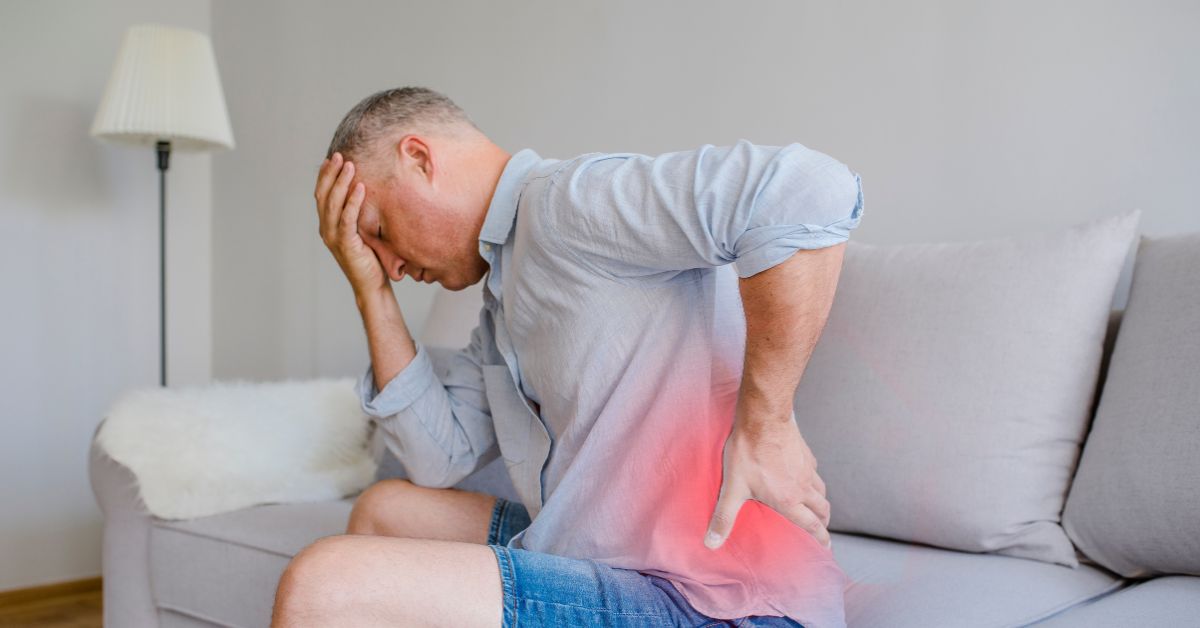
Nerve pain often feels different from an ordinary ache. You might experience burning, sharp, or electric shock-like pain, tingling, or numbness. Sometimes, even the touch of your clothes can feel uncomfortable.
The right neuropathic pain treatment depends on what's causing the problem. Treatment may include medication, physiotherapy, and changes to your daily routine. If the pain keeps returning or gets worse, speak with a healthcare professional.
How Is Neuropathic Pain Different from Other Types of Pain?
|
Neuropathic Pain |
Other Types of Pain |
|
Caused by damage or disease affecting sensory nerves. |
Often caused by injury, inflammation, or tissue damage. |
|
It can cause burning, pins and needles, sharp shooting pain, or shock-like sensations. |
Often feels like an ache, soreness, pressure, or tenderness. |
|
It may persist even after an injury heals or develop without a clear cause. |
Often improves as the injured tissue heals |
|
Even light touch may cause pain in the affected area. |
This type of pain usually occurs after an injury or physical movement. |
|
Treatment may include nerve pain medicines and care for the underlying cause. |
Treatment depends on the cause and may include rest, medication, or injury care. |
What Causes Neuropathic Pain?
Diabetes and Diabetic Neuropathy
High blood sugar can damage nerves over time, particularly in the feet and legs. This may cause burning pain, tingling, numbness, or reduced sensation.
Nerve Compression or Injury
When a nerve is pressed or damaged, you may feel pain, tingling, or numbness. Carpal tunnel syndrome affects the hands, while a compressed nerve in the spine can cause pain that travels from the neck or back into the arms or legs.
Shingles and Postherpetic Neuralgia
Shingles can damage nerves and leave you with pain even after the rash has cleared. This lasting nerve pain is called postherpetic neuralgia.
Vitamin Deficiencies
Low vitamin B12 levels can affect nerve function and lead to tingling, numbness, weakness, or problems with balance.
Other Possible Causes
Nerve pain can also develop because of:
- Chemotherapy medicines
- Autoimmune diseases
- Kidney disease
- Heavy alcohol use
- Brain or spinal cord injuries
- Certain infections
- Inherited nerve disorders
Sometimes, doctors cannot identify the exact cause. If the pain continues, get it checked rather than trying to manage it on your own.
What Are the Symptoms of Neuropathic Pain?
Burning or Shooting Pain
The pain may feel like burning, stabbing, or a sudden electric shock. It commonly affects the hands, feet, or legs.
Tingling or Pins and Needles
You may feel a prickling sensation that comes and goes or lasts for hours.
Numbness or Reduced Sensation
You may struggle to feel touch, heat, or cold. This can make it easy to miss small cuts, blisters, or burns.
Increased Sensitivity to Touch
Something as simple as wearing clothes or having a bedsheet touch your skin may cause discomfort or pain.
Other Symptoms
Depending on which nerves are affected, you may also notice:
- Muscle weakness: Difficulty holding objects or lifting your feet while walking.
- Balance problems: Feeling unsteady when standing or walking.
- Reduced temperature sensation: Difficulty telling whether something is hot or cold.
- Changes in sweating: Sweating more or less than usual.
- Dizziness when standing: Feeling light-headed when getting up.
If these symptoms persist or worsen, consult a healthcare professional. Sudden weakness or numbness needs urgent medical attention.
How Is Neuropathic Pain Diagnosed?
Your doctor will ask how the pain feels, when it started, and whether you have any conditions that could affect your nerves. Some tests may be needed to find the cause.
Medical History and Symptoms
Your doctor may ask about:
- Where the pain occurs and when it started
- Whether it comes and goes or stays constant
- Existing conditions, such as diabetes
- Recent injuries, infections, and medicines you take
Physical and Neurological Examination
The doctor may test your sensation, muscle strength, reflexes, balance, and coordination to check for signs of nerve damage.
Tests That May Be Recommended
Depending on your symptoms, your doctor may suggest:
- Blood tests: Check blood sugar, vitamin B12, and kidney function.
- Nerve conduction studies: Check how signals travel through your nerves.
- Electromyography (EMG): Measures electrical activity in your muscles.
- MRI scans: Help identify spinal problems or compressed nerves.
You may not need every test. Your doctor will choose the ones that best fit your symptoms and examination results.
What Are the Treatment Options for Neuropathic Pain?
Medications for Neuropathic Pain
Ordinary painkillers do not always work well for nerve pain. Your doctor may prescribe medicines that help control pain signals in the nervous system.
Antidepressants Used for Nerve Pain
Certain antidepressants, including tricyclic antidepressants and SNRIs, can help relieve nerve pain. They may be prescribed even if you do not have depression.
Anticonvulsants
Medicines such as gabapentin and pregabalin are used for some types of nerve pain. They may ease burning or shooting sensations, although side effects can include dizziness and sleepiness.
Topical Treatments
Creams and patches may help when the pain is limited to a particular area.
- Lidocaine:Reduces sensation in the affected area to relieve local pain.
- Capsaicin: May reduce certain types of nerve pain when used as directed.
What Non-Drug Treatments Can Help with Neuropathic Pain?
Medication is not the only option. Other treatments may help ease movement and make daily activities easier, depending on your symptoms.
Physiotherapy and Guided Exercise
A physiotherapist can help you choose exercises to improve strength, flexibility, balance, and movement.
Occupational Therapy
An occupational therapist can suggest practical changes at home or work to make daily tasks easier and reduce strain.
Psychological Therapies and Pain Management
Ongoing pain can affect sleep, mood, and concentration. Cognitive behavioural therapy (CBT) and other pain-management techniques may help you cope with these effects and continue your usual activities.
TENS and Other Selected Therapies
Transcutaneous electrical nerve stimulation (TENS) uses mild electrical currents delivered through pads placed on the skin. It may help, but the results differ from person to person.
Specialist Procedures
If other treatments don’t provide enough relief, a specialist may suggest nerve blocks or spinal cord stimulation. These options are not suitable for everyone, so the possible benefits and risks need to be discussed first.
How to Manage Neuropathic Pain at Home
A few everyday habits can help you manage discomfort and protect areas where you have reduced sensation.
Protect Areas with Reduced Sensation
- Check your feet and skin daily for cuts, blisters, or swelling.
- Wear comfortable shoes that fit properly.
- Avoid walking barefoot if you have numbness.
- Check bath water temperature before getting in.
Maintain Healthy Blood Glucose Levels
If you have diabetes, follow your treatment plan and tell your doctor if foot pain, tingling, or numbness gets worse.
Improve Sleep Habits
Keep a regular sleep schedule. If nerve pain keeps you awake, ask your doctor about ways to manage it.
Stay Physically Active
Light exercise can help keep your muscles strong and your body moving comfortably. Start slowly, especially if you have pain or balance problems.
Avoid Smoking and Excessive Alcohol
Smoking affects blood flow, and heavy alcohol use can damage nerves. Avoiding both can help protect your health.
When Should You See a Doctor for Neuropathic Pain?
Consult your doctor if nerve pain worsens or you notice any unusual changes.
- Ongoing tingling or numbness
- Pain that affects sleep or walking
- Muscle weakness or balance problems
- Reduced sensation in your feet
- Worsening symptoms if you have diabetes
Seek urgent care for sudden weakness, speech problems, or loss of bladder or bowel control.
Which Specialist Treats Neuropathic Pain?
A neurologist often treats nerve pain, but the right specialist depends on its cause. Your doctor may refer you to:
- Neurologist: For nerve disorders.
- Pain management specialist: For persistent pain.
- Endocrinologist: For diabetes-related nerve problems.
- Orthopaedic or spine specialist: For compressed nerves or spinal issues.
Blood tests or nerve studies may help identify the cause.
Frequently Asked Questions
Does neuropathic pain go away?
Treatment may ease the pain, though lasting nerve damage can cause ongoing symptoms.
Which treatment works best for neuropathic pain?
Treatment depends on the cause and may include medication, topical creams, or physiotherapy.
How can I reduce neuropathic pain naturally?
You may manage neuropathic pain with gentle exercise, regular sleep, limited alcohol use, and by protecting numb areas from injury.
What makes neuropathic pain worse?
Several factors can worsen neuropathic pain, including nerve compression, high blood sugar, heavy alcohol use, and poor sleep.
Can I live a normal life with neuropathy?
Yes, with proper care and treatment, many people with neuropathy can live a normal life.
How can I care for neuropathy in my feet at home?
Wear comfortable shoes, check your feet daily, and avoid walking barefoot to protect them at home.
Conclusion
Nerve pain can make everyday activities like walking and sleeping uncomfortable. Consult a doctor if burning, tingling, or numbness continues.
Neuropathic pain treatment depends on the cause, so a proper medical assessment can help determine the right care.
At North Bengal Neuro Centre, you can discuss your symptoms with a specialist and explore suitable treatment options.