






Work-related neck pain is a very common concern we have, especially for those who spend a lot of time at a desk. Sitting still for hours at a time, holding your phone for long periods of time, or staring down at a laptop can all put additional strain on the muscles and joints of your neck.
The importance of seeing a neurologist is invaluable. If you have been experiencing neck pain and no exercise or home remedies are able to help you, consult a neuro doctor in Siliguri or in your city.
However, basic daily routines can help prevent neck pain due to work. You can lessen strain and maintain the comfort of your neck if you improve your posture, modify your workstation, take frequent breaks, and perform mild neck exercises.
What Causes Neck Pain During Work? - Overview
Your head can move in many directions and is supported by your neck. The muscles and other structures surrounding your neck may become strained if you work in an uncomfortable position and if you do so for too many hours.
The following are some common reasons for neck pain during work:
- Bad posture when sitting
- Using a laptop that is positioned too low
- Spending a lot of time staring down at a phone
- Sitting without pausing
- A desk or chair that is not correctly set
- Repeated motions
- Tension in the muscles and stress
- Having trouble sleeping after a demanding and painful workday
These may eventually lead to headaches, persistent neck pain, stiffness, and muscle exhaustion.
How Can You Prevent Neck Pain When You Work?
Maintain Good Posture
Keeping your posture neutral while working is one of the simplest ways you can avoid neck strain. Rather than letting your head go forward, keep it in line with your shoulders, and your chair should support your back, and your shoulders should be at ease.
Try to stay away from:
- Slouching ahead
- Putting your shoulders round
- Bending your neck in the direction of your screen
- Spending a lot of time perched on the edge of your chair
Maintaining a comfortable stance and often adjusting your posture are what help you a lot.
Modify the Screen of Your Computer
Did you know that your neck health also depends on how you arrange your screen? You must know that to look straight ahead without continuously bending your neck, the top of your display should ideally be about eye level.
So, try to always maintain a reasonable distance from the screen so you can read without bending over.
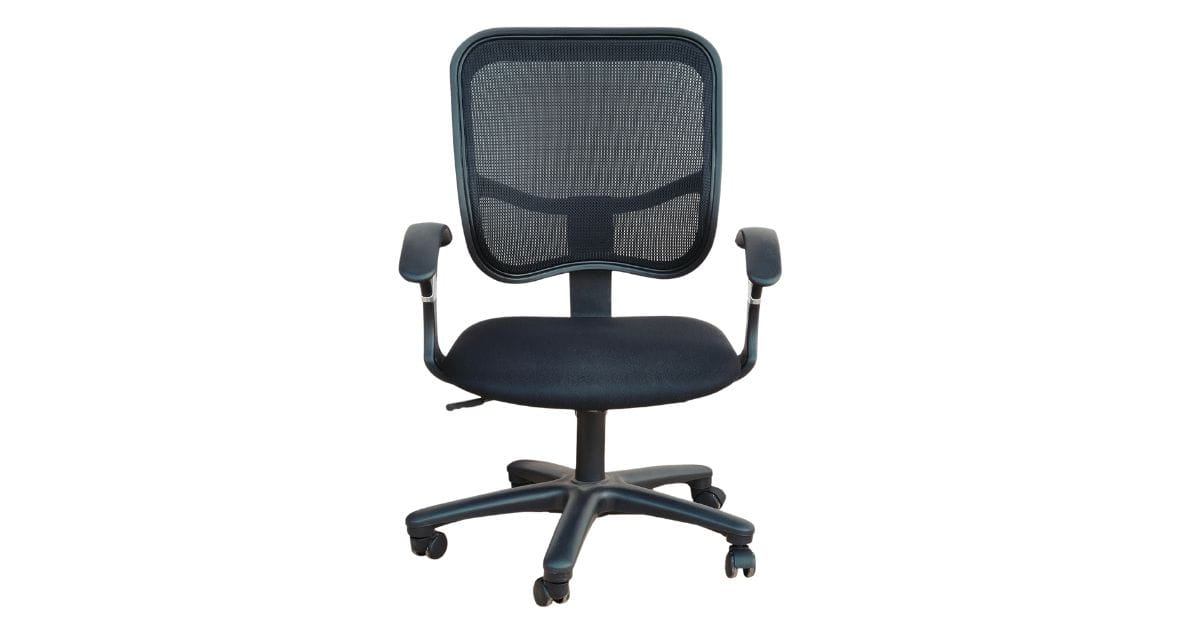
Choose a Supportive Chair
Your chair should promote a comfortable sitting position, and also it should support your back. The chair should be adjusted so that:
- Your feet are in a comfortable position on the ground
- You have your knees in a comfortable position
- There is support for your lower back
- Your shoulders are still at ease
- When using the keyboard, your elbows can remain close to your torso.
However, a supportive chair by itself cannot prevent neck problems. You may consider utilizing a laptop stand in addition to a separate keyboard and mouse if you utilize a laptop for several hours every day.
By doing this, you may raise the screen without causing discomfort to your hands or wrists. Get expert advice on recurrent neck discomfort from one of the best neurologists in Siliguri.
Take Breaks in Between
It’s natural for neck muscles to get stiff and fatigued after spending several hours in one posture. Throughout your job, develop the practice of taking brief movement breaks (that will help you a lot).
Stretch your shoulders, get up, move around, or just sit differently. You can prevent prolonged static posture when you take short pauses. If your job requires you to use a computer all the time, you may use reminders to motivate you to take regular breaks.
It's crucial to take a rest before your neck starts to hurt, which may cause further trouble in the long run.
Stretch Your Shoulders and Neck Gently
Muscle tightness due to extended sitting may get relief with gentle stretching. Here, you can experiment with basic motions.
These include rolling your shoulders backward, softly moving your ear to your shoulder, and slowly tilting your head from side to side. Be sure you carry out these motions comfortably and slowly.
Avoid making sudden movements or forcing your neck into an uncomfortable position; always get expert guidance for correct postures.
Be Aware of Your Phone Habits
No doubt, your neck may be strained at times other than during the workday. Neck pain can also result from you staring down at a smartphone for extended periods of time.
Everyone must know this: try bringing your phone closer to eye level rather than keeping it close to your lap. When you scroll for extended periods of time, avoid becoming still.
Best to use headphones or a headset if you frequently use it for work calls.People should consult a doctor if a certain workout results in pain, lightheaded-ness, numbness, or other strange symptoms.
Don't Stay in One Position for Too Long
If you sit still for hours without proper movement, even a good posture might become painful. Regular movement is of great importance, as it is beneficial to your body.
If your place of work permits it, switch up how you sit, stand whenever you can, stroll while on the phone, or alternate between sitting and standing. These practices are really helpful.
Instead of viewing exercise as something you exclusively do after work, consider it an integral part of your workday for sustainable relief.
Never Ignore Recurrent Neck Pain
As we all well know, after a long workday, occasional mild neck stiffness may go away with rest and routine adjustments. Recurrent discomfort, however, needs clinical diagnosis.
Consider talking to a healthcare provider if your neck pain persists even after you've improved your posture, workstation habits, and overall lifestyle. A neurologist near you or a general physician will help you out.
When Should You See a Neurologist About Neck Pain?
Most neck pain at work doesn’t result from a severe neurological disorder. On the other hand, some symptoms can suggest that nerves are being impacted.
If your neck discomfort is ongoing, getting worse, or connected to neurological symptoms like these, you should definitely see a neurologist.
- Tingling or numbness in the hands or arms
- Weakness in a hand or arm
- Pain radiating from the neck to the arm or shoulder
- Issues with coordination or balance
- Unusual or severe headaches related to neck pain
- Sensation changes
- Inability to move normally
- Symptoms that appear with an injury
Severe symptoms including sudden weakness, severe lack of coordination, difficulties speaking, or other sudden neurological changes need fast diagnosis and treatment.
Final Words
Making major adjustments is not always necessary to prevent neck pain while working. A few effective lifestyle choices can bring you promising neck pain relief. Nevertheless, you should never delay or ignore the importance of medical diagnosis.
If you have ongoing neck pain and other symptoms, consult a reputed neuro doctor in Siliguri or in your area. You might reach out to North Bengal Neuro Centre for comprehensive neurological care.