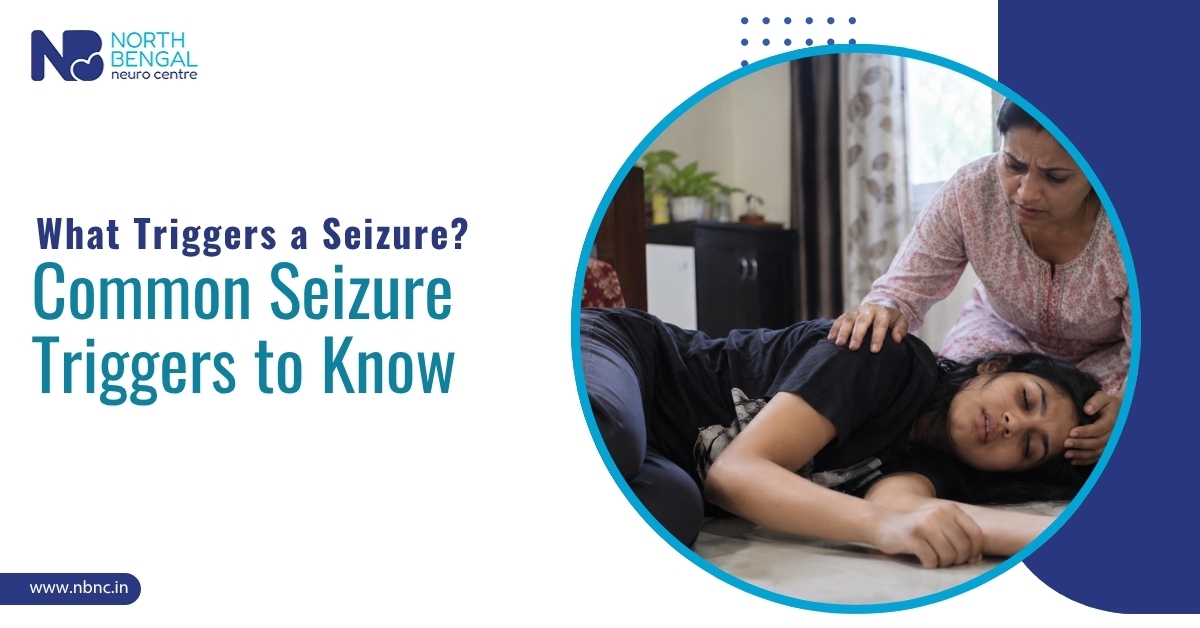






A seizure trigger is a scenario, occurrence, or factor that could contribute to precipitating a seizure. Triggers vary between different adults with epilepsy. While some can clearly identify what triggers their seizures, others may not identify a trigger at all. According to the epilepsy foundation, knowing the circumstances preceding a seizure can help a person recognize potential triggers and take measures to avoid them.
Knowing common seizure triggers can be beneficial to adults living with epilepsy or recurrent triggers, as they can identify their personal triggers and collaborate with their caregivers to develop effective seizure management plans.
What is a seizure trigger in adults?
A seizure trigger is a scenario, occurrence, or factor that could contribute to increasing a person's likelihood of experiencing a seizure. A trigger may not be the causative agent for a person's epilepsy.
According to the Epilepsy Foundation, triggers may vary from person to person and could occur during sleep or upon waking. Some people may also note that seizures are more frequent when they are ill or under stress.
It is also important to note that a specific occurrence that coincides with a seizure is not always a seizure trigger. Rather, a trigger typically refers to a factor that is consistently present just before a seizure occurs.
Common seizure triggers in adults :
1. Lack of sleep:
Poor or insufficient sleep can trigger a seizure in a considerable number of people. Being overtired, experiencing disrupted or limited sleep, or even sleeping for fewer hours than usual can raise the likelihood of seizures in some people.
As such, it is crucial that people maintain a consistent sleep schedule to reduce the likelihood of seizures. The epilepsy foundation advises making sleep a priority for managing potential seizure triggers.
2. Stress:
Stress can be a trigger for some adults. Stress-inducing scenarios can differ between individuals and may entail work-related issues, material problems, and other stressful life events. However, stress is not always a trigger for everyone with epilepsy.
Adults should monitor stressful events and note if they tend to coincide with seizures. Discussing stressful scenarios with your healthcare professional can help you develop effective stress management strategies.
3. Missed Seizure Medication:
A common trigger for many people is missing a dose of anti -epileptic medication. Missed medication can be detrimental to seizure control and can raise the likelihood of a seizure occurring.
If you are experiencing adverse side effects or have difficulties taking your prescribed medication, you must discuss this with your healthcare professional. The Epilepsy Foundation highlights that missed medication is an important and commonly reported seizure trigger.
If you suspect that alcohol triggers your seizures, you should speak to your healthcare provider and note if you experience seizures after heavy drinking or during withdrawal. You may also want to consider reducing alcohol consumption.
4. Illness and fever :
Illness with or without a fever is another common cause of seizures in adults. The epilepsy foundation highlights illness as a common trigger for seizures that may occur in addition to or unrelated to fevers. If you have epilepsy and you are unwell, you must inform your healthcare provider and note any changes in your seizure pattern.
5. Skipping Meals:
Skipping meals or eating irregularly can also trigger a seizure. According to the epilepsy foundation, not eating well, dehydration, and low levels of blood sugar contribute to the occurrence of seizures in some people.
People with epilepsy must maintain a consistent meal schedule and adopt a balanced diet while also staying well hydrated to avoid irregular blood sugar levels and dehydration.
6. Flashing lights:
Flashing lights and specific visual patterns can trigger seizures in people with photosensitive epilepsy. However, this does not apply to all adults with epilepsy. Photosensitive epilepsy involves seizures that are triggered by flashes of light.
If you are experiencing flashing lights before your seizure episodes, you must speak to your healthcare provider.
7. Hormonal Changes :
Hormonal changes can also trigger seizures, particularly in women. The epilepsy foundation highlights the menstrual cycle and other hormonal fluctuations as common triggers for seizures.
If you notice that your seizures predominantly occur at a given time of the month, you must keep a record of this and speak to your healthcare provider.
8. Recreational drugs :
For many people. recreational drugs can be a common trigger for seizures. The Epilepsy Foundation highlights drug use as a potential cause of seizures. Drug use can also be a major contributor to poor sleep or insufficient hydration and can interfere with the effectiveness of anti-seizure medication.
9. Certain medications and other factors:
The epilepsy foundation highlights several other factors as potential triggers for seizures, including specific medications and particular foods or products such as excessive caffeine, which may aggravate seizures in some people.
This does not mean that everyone with epilepsy should eliminate all medications, supplements, or products from their diet. Everyone has a different response to various substances. As such, it is crucial to speak to your healthcare provider about your concerns or products that could trigger your seizures.
How can you identify your seizure triggers?
The best method of identifying a seizure trigger is to keep a seizure diary. According to the epilepsy foundation, adults should seek help to monitor their condition and detect potential seizure triggers.In the diary, you should record the time and date of your seizures as well as the circumstances around them. You should also note the effect of sleep, stress, illness, alcohol, drugs, and missed medications on your seizures.
By reviewing the diary, you can determine if there are factors or behaviors that consistently occur before your seizures and address them with your healthcare provider. For instance, you may note that you experience seizures more frequently when you fail to get enough sleep.
It is important that you record instances where your suspected trigger did not result in a seizure. This will help you assess whether it is a true seizure trigger or if your seizures occurred coincidentally.
How can adults reduce common seizure triggers?
Once you have identified potential seizure triggers, you and your healthcare provider can develop an effective personalized management plan to minimize the likelihood of seizures. This plan may differ for everyone depending on the causes and contributors of their seizures. Some of the key recommendations highlighted by the epilepsy foundation include :
- Keeping a regular sleep schedule
- Taking prescribed anti-seizure medication
- Managing stress effectively
- Staying well hydrated
- Maintaining a balanced diet and avoiding skipping meals
- Reducing your alcohol consumption if it is a trigger
- Avoiding the use of recreational drugs
Addressing illnesses and minimizing exposure to triggers when managing hormonal changes, particularly if you suspect that your seizures are related to your menstrual cycle.
The epilepsy foundation highlights that not all of these strategies are effective for everyone since everyone has different triggers for seizures.
Final Thoughts :
Identifying a personal seizure trigger can be an extremely effective step for adults who experience recurrent seizures. Lack of sleep, stress, illness, alcohol use, the use of recreational drugs, missed medication, skipping meals, dehydration, low blood sugar levels, flashing lights, and hormonal changes can all contribute to triggering seizures; people have different responses to potential triggers. Keeping a seizure diary can help an adult determine their personal seizure triggers. North Bengal Neuro Centre might help you in this regard.
FAQS :
1. What is the most common seizure trigger in adults?
There is no single seizure trigger that affects every adult. Commonly reported seizure triggers include lack of sleep, stress, illness, alcohol, missed medication, and other individual factors.
2. Can lack of sleep trigger a seizure?
Yes, lack of sleep, disrupted sleep, and being overtired are commonly reported seizure triggers. Maintaining a regular sleep schedule may help reduce seizure risk for people who are sensitive to sleep-related triggers.
3. Can missing seizure medication trigger a seizure?
Yes, missing prescribed seizure medication is an important seizure trigger for many people. Taking medication as prescribed is an important part of seizure management.
4. Can alcohol trigger seizures?
Alcohol can increase seizure risk in some people. Heavy alcohol use and alcohol withdrawal are both listed by the Epilepsy Foundation as potential seizure triggers.
5. Can dehydration trigger seizures?
Dehydration or not drinking enough fluids is among the factors that are reported as possible seizure triggers. It is therefore important to remain well hydrated if you notice a relationship between your seizures and dehydration.
6. Can skipping meals trigger seizures?
Skipping meals or going for long periods without eating may contribute to seizure risk in some people. The epilepsy foundation includes not eating well, low blood sugar, and dehydration as possible seizure triggers.