


A stroke needs fast medical support, and this can occur suddenly without notice; every minute matters when it does. Identifying the early symptoms or signs of a stroke can prevent irreversible brain damage and save lives.
The FAST test is one of the easiest and most efficient ways to detect a potential stroke. This simple abbreviation makes it easier for people to detect the most common symptoms and take prompt action. Visiting a specialist at the top Neuro Hospital in Siliguri or near you is critical for anyone who has a history of stroke or neurological issues.
A Stroke - Overview
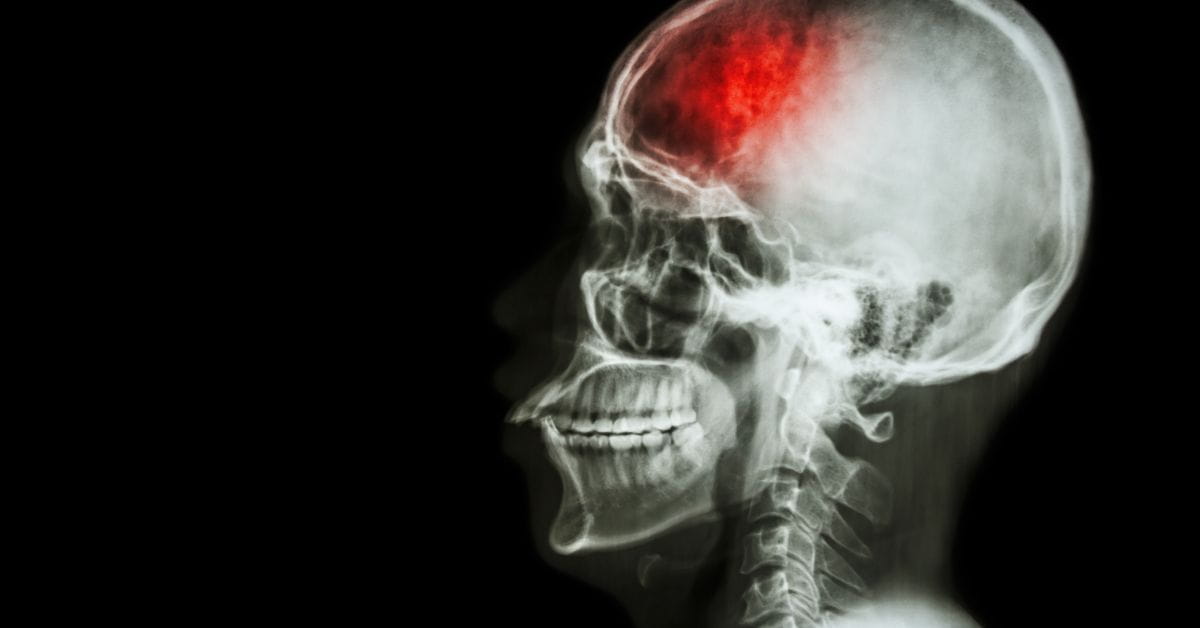
A stroke happens when blood supply to a portion of the brain is cut off or low, depriving brain tissue of nutrients and oxygen-rich blood. Brain cells start to be damaged and die within a few minutes if they don’t get oxygen-rich blood.
Three primary categories of strokes are:
Ischemic Stroke
This type of stroke is the most prevalent kind, making up over 85% of all stroke cases. It happens when a blood clot obstructs an artery that supplies oxygen-rich blood to the brain.
Hemorrhagic Stroke
This kind occurs when a cerebral blood vessel bursts, and it leads to bleeding into or around the brain.
Importance of Early Stroke Recognition
A common expression used by medical practitioners is "Time is Brain”, and a stroke goes untreated every minute:
- Many brain cells die
- Brain activity deteriorates
- Permanent disability is more likely
- It gets harder to recover
Restoring blood flow, minimizing brain injury, and greatly enhancing recovery results are all possible with prompt medical support.
Understanding the FAST
The FAST is an easy-to-use tool that can assist anyone in identifying the most crucial signs of a stroke.
FAST stands for:
F: Face Drooping
A: Arm Weakness
S: Stands for speech difficulty
T: Stands for emergency services call time.
Let's examine each sign in more detail.
F – Face Drooping
Sudden numbness or weakness may occur on one side of the face, which is a classic sign.
You can ask a person to smile, and among the potential warning signs are:
- An uneven smile
- The mouth droops to one side
- The eyelid seems lower than the other facial muscles
You should never overlook facial sagging, no matter how little.
A – Arm Weakness
One side of the body is frequently weak or numb after a stroke; here, you might request that they raise both arms.
Search for:
- One arm drifting downward
- Not being able to raise an arm with numbness
- Sudden numbness
- Low power
Typically, weakness only affects one side of the body.
S: Speech Difficulty
Another major sign is speech issues, so you may request that they repeat a short phrase, like:
- The sky is blue
Be mindful of:
- Slurred speech
- Unclear words
- Speaking difficulties
- Inability to comprehend speech
- Unable to accurately repeat the sentence
Speech difficulties can start off suddenly and get worse very fast.
T – Time to Call Emergency Services
Contact emergency medical assistance right away if you have any of these symptoms.
Avoid:
- Notice if the symptoms get better
- Allow the individual to drive themself
- Assume it's because of stress or exhaustion
When administered as soon as possible, emergency treatment is most effective. Try to remember the precise moment the symptoms started, as doctors use this information.
Additional Warning Signs
While FAST detects the most classic symptoms, strokes can also result in other abrupt changes.
Among them are:
Sudden Vision Issues
An individual may encounter:
- Vision blurriness
- Having two eyes
- Vision loss in one eye
- Vision loss in both eyes
- An intense headache
A hemorrhagic stroke may be indicated by a few major signs, like a sudden, severe headache that has no apparent explanation.
These signs could be accompanied by:
- Throwing up
- Confusion
- Dizziness
Difficulty Walking
You might notice the person may have issues with coordination and balance.
Among the symptoms are:
- Walking difficulties
- A loss of balance
- Lightheadedness
- Unexpectedly falling
Sudden Numbness
Numbness could impact:
- Arm
- Leg
- Face
Stroke symptoms often take place on one side of the body.
Confusion
Someone could abruptly:
- Have trouble understanding discussions
- Forget well-known information
- Become confused
- Have difficulty following basic instructions
Common Risk Factors for Stroke You Should Know
You can lower your risk of having a stroke by being aware of the risk factors.
High Blood Pressure
This is one of the most common causes of stroke; here, what happens is that over time, blood vessels are harmed by uncontrolled blood pressure.
Diabetes
Elevated blood sugar causes clot formation and damages blood vessels.
High Cholesterol
The accumulation/ build-up of cholesterol causes arteries to constrict, which lowers oxygen-rich blood flow to the brain.
Smoking
This habit amplifies the risk of stroke and destroys blood vessels.
Being Overweight
Being overweight increases the chance of:
- High blood pressure
- Diabetes
- Heart conditions
These are the contributing factors to stroke.
Lack of Exercise
Frequent exercise reduces your risk of stroke and promotes good blood circulation, while a sedentary lifestyle increases the likelihood.
Heart Disease
Blood clots are more likely to reach the brain in conditions like atrial fibrillation, which is an erratic heartbeat.
Age
The risk of stroke rises with age, especially after age 55; however, even younger adults can have strokes.
Family Background
You may be more at risk if you have a family history of stroke.
Stroke Symptoms in Women You Should Know
Women may show less common symptoms in addition to the classic FAST symptoms, and here are some of them:
- Sudden exhaustion
- Feeling queasy
- Hiccups
- Pain in the chest
- Breathlessness
- Sudden confusion
- Overall weakness
Women's strokes are sometimes diagnosed later since these symptoms can be mistaken for other illnesses.
Stroke Symptoms in Younger Adults
A common misconception is that strokes only happen to older people, but younger adults are experiencing an increase in strokes because of:
- High blood pressure
- Smoking
- Being overweight
- Diabetes
- Use of drugs
- Heart-related disorders
We must not ignore sudden neurological symptoms in young adults.
If Someone is Having a Stroke, What Should You Do?
If you think someone is experiencing a stroke:
Stay Calm
- Critical choices may be delayed by panic
- Make an instant call to emergency services
- Don't wait for your symptoms to get better
Note the Time
Note or remember the initial onset of symptoms, as treatment decisions are based on this information.
Keep the Person Safe
- Assist them in lying down or sitting comfortably
- Avoid needless movement
Do Not Give Food or Water
During a stroke, swallowing may become difficult, and such difficulty can make the situation worse.
Giving food or beverages could result in choking.
Stay with Them
Until medical assistance arrives, keep an eye on their breathing and level of responsiveness.
Stroke Diagnosis
As soon as they arrive at the hospital, medical professionals conduct tests to identify the type of stroke the patient has.
Effective and common diagnostic tests are:
- CT scan
- An MRI
- Blood examinations
- ECG, or electrocardiogram
- Neck artery ultrasound
- Imaging tests of the brain
Stroke Treatment
The type of stroke determines the type of treatment the patient receives.
Ischemic Stroke
Doctors may advise:
- Clot-busting meds
- Clinical methods for removing clots
- Blood thinners
Recovery significantly improves with prompt therapy.
Hemorrhagic Stroke
Among the possible treatments are:
- Surgery
- Blood pressure management
- Medications to stop bleeding
- Extensive observation
Recovery After a Stroke
Each person recovers from a stroke differently, and while some people recover within a week, others need months or years.
Here, recovery may need:
- Physical therapy
- Occupational therapy
- Speech-language pathology
- Psychological assistance
- Changes in lifestyle
Can We Prevent a Stroke?
Making healthy lifestyle choices can help prevent many strokes.
Observe your blood pressure. Regular exams will help you keep your blood pressure within a healthy range.
Consume a Heart-Healthy Diet
Select foods like:
- Fruits
- Vegetables
- Whole grains
- Lean proteins
- Good fats
Limit:
- Additional sugars and salt
- Saturated fats
- Foods that have been processed
Regular Exercise
For at least 5 days, practise moderate exercise.
- Dancing
- Cycling
- Swimming
- Walking is a great choice
Give Up Smoking
Almost instantly, quitting smoking lowers the risk of stroke.
Limit Alcohol
Drinking too much alcohol increases the risk of stroke and high blood pressure.
Control Your Diabetes
Monitoring your blood sugar on a regular basis and following your treatment plan can help prevent blood vessel damage. You might consult one of the top neurologists in Siliguri or near you for effective stroke side effects management.
Keep Your Weight in Check
Maintaining a healthy weight lessens the burden on the heart and blood vessels.
Take Prescribed Medications
If your doctor recommends medicine for:
- High blood pressure
- Heart disease, diabetes, or cholesterol
Take these precisely as prescribed.
Final Words
Since a stroke is a medical emergency, access to quick treatment is extremely vital. You may identify the warning symptoms before it's too late if you know about the FAST—Face Drooping, Arm Weakness, Speech Difficulty, and Time to Call Emergency Services.
Get in touch with the best neuro hospital in Siliguri at North Bengal Neuro Centre for optimal health management.
