






Gone are the days when orthopedic concerns like arthritis were mostly common in older adults and athletes. Now, joint pain or arthritis is affecting young people as well.
Whether you have arthritis, a sports injury, chronic joint pain, or are thinking about surgery, speaking with the right orthopedic surgeon. Plus, asking the correct questions is essential.
You might talk to the most trusted orthopaedic doctor in Siliguri at North Bengal Neuro Centre or a doctor near you. During medical appointments, a lot of patients and their families experience anxiety and forget to ask crucial questions.
Thus, this blog talks about the 15 questions that you can ask your orthopedic surgeon before you start any kind of treatment.
1. What Is My Diagnostic Report?
You should get an understanding of your problem before talking about orthopedic treatment. So, simply, you can request an easy explanation of your diagnosis from your orthopedic specialist.
You might also inquire:
- What led me to the orthopedic condition?
- Is it temporary or long-term?
- How bad is it?
- Will it get worse with time?
You can more realistically assess treatment options if you are aware of the underlying issue.
2. What Are My Treatment Options?
We all know that surgery is not always necessary for orthopedic problems. Physical therapy, medication, injections, and lifestyle changes are highly beneficial in many situations.
You can ask about:
- Physical treatment
- Pain control
- Support or bracing tools
- Injections
- Minimally invasive surgery
- Surgical procedures
You may decide the best things for your lifestyle and health condition when you know about your available options.
3. Do I Actually Need Surgery?
No doubt, doctors advise surgery in cases where conservative measures are ineffective. Or when the illness significantly impairs one’s quality of life.
Ask about:
- Is surgery a must?
- What would happen if I don’t consider surgery now?
- Are non-surgical options possible for me?
- What is the effectiveness of alternative medical care?
Delaying surgery may not result in major problems in a few cases, but it may make the issue worse in others.
4. What Risks or Difficulties are There?
There is some level of risk associated with every medical practice, and making an informed choice is possible when you’re aware of potential issues.
Common issues associated with orthopedic surgery include:
- An infection
- Blood clots
- Damage to the nerves
- Failure of implants
- Chronic discomfort
- Restricted mobility
- Mild complications from anesthesia
Find out from your orthopedic surgeon how frequently these problems arise and what steps they take to reduce the chances.
5. How Much Experience Do You Have With This Treatment/ Surgery?
In orthopedic surgery, experience is of high value; thus, better results are achieved by surgeons who perform particular procedures, like hip or knee replacement, more often.
You may inquire:
- How many times the surgeon has carried out this specific orthopedic surgery/ treatment?
- How successful are these surgeries?
An experienced and self-assured orthopedic surgeon should feel at ease responding to your practical inquiries.
6. What Outcomes Am I Really Expecting?
There’s no doubt that having reasonable expectations before your treatment is very important, as many patients and their families have unrealistic expectations. While some surgeries give significant improvements, others mostly aid in pain relief or increased mobility.
Consult your surgeon:
- How much pain alleviation can I expect?
- Exactly when will I be able to move freely after treatment/ surgery?
- What is the duration of the results?
During your recovery, have reasonable expectations, as these can help you and your loved ones avoid disappointment.
7. How Much Time Does the Recovery Process Take?
The specific orthopedic surgery, patients’ age, their general health, and level of dedication to recovery all affect how long it takes to recover.
You can make inquiries like these:
- How long will my hospital stay be?
- When fast will I be able to start working?
- When will I be able to drive again after this surgery/ treatment?
- When can I start working out or participating in sports?
You and your family can better prepare financially, physically, and mentally by being aware of the schedule.
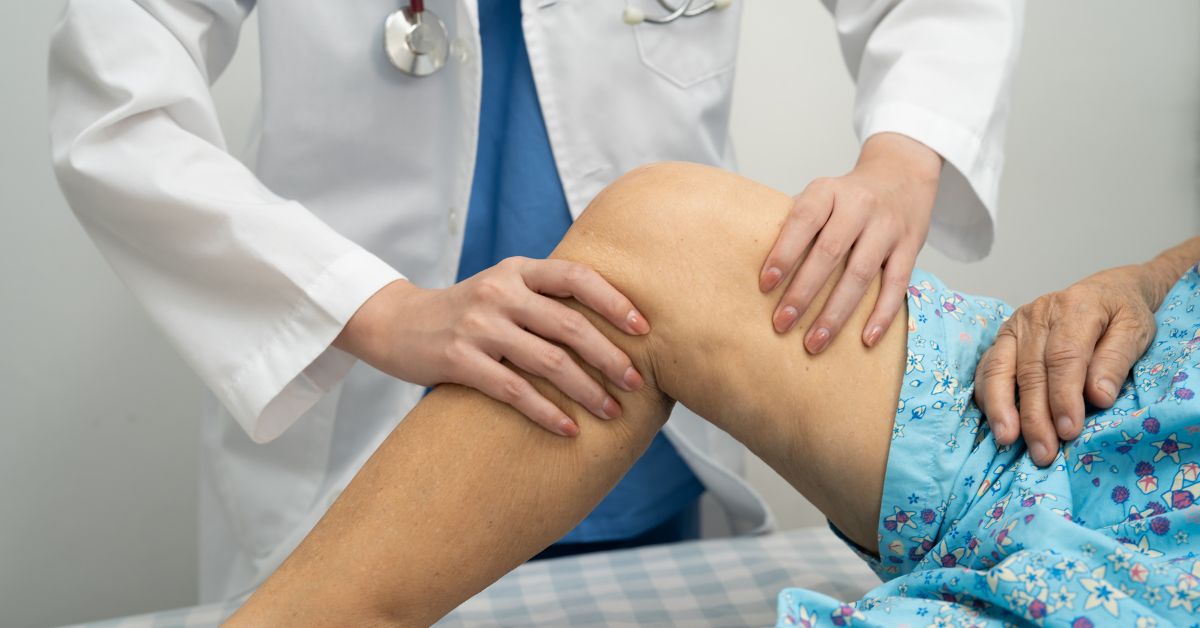
8. Will Physical Therapy Be Required?
A key fact of orthopedic healing is physical therapy in many cases, for sure. Healing from surgery aids in the recovery of mobility, strength, and flexibility, and inquire:
- How many orthopedic therapy sessions do I need to feel good again?
- What is the duration of rehabilitation?
- Is it possible to have mild exercise at home?
- What happens if I don't get timely therapy?
Long-term good results are possible if you also follow recovery criteria.
9. What Type of Anesthesia Will Be Used?
Common kinds include:
- Regional anesthesia
- Local anesthesia
- Spinal anesthesia
- General anesthesia
Simply, inquire about:
- Which kind of anesthesia do I need for this advised procedure?
- What side effects are possible?
- How much time would it take to recover from anesthesia?
- Before surgery, are there any special safety measures?
This knowledge can enhance your mood and lessen anxiety.
10. How Do I Prepare for Surgery?
Your recovery and the outcome of your surgery also depend on how you prepare yourself and take steps, and here, your orthopedic surgeon might suggest:
- Stopping specific meds
- Reducing weight
- Giving up smoking
- Increasing physical fitness
- Imaging scans or blood testing
These are to ensure you better prepare for the day of orthopedic surgery.
11. What Will Be the Treatment Cost in My Case?
If you are unprepared, medical costs might become unexpectedly high, so wise to ask a few questions, like:
- Fees for surgeons
- Hospital fees
- Tests for diagnosis
- Costs of physical therapy
- Costs associated with medications
- Insurance coverage
If problems arise, you should also inquire about any additional expenses in this regard.
12. Can You Make Lifestyle Changes That Will Help?
Your lifestyle choices often have a good impact on your orthopedic health, and surgery outcomes, and your surgeon might suggest:
- Managing weight
- Low-impact workouts
- Stretching exercises
- Better posture
- Changes in nutrition/ meal choices
Making these changes could support your health (immunity) and relieve symptoms and perhaps delay the necessity of surgery (only in a few cases). Get clear advice from a reputed orthopaedic doctor in Siliguri or near your location on surgery.
13. What Is This Procedure's Success Rate?
The fact is, outcomes and long-term results of various orthopedic treatments vary. You can learn more about the possibility of optimal outcomes by asking your surgeon about success rates.
You may inquire:
- What proportion of patients become better?
- What is the average duration of the results?
- What factors influence success?
- What can I do to get better results?
Success also depends very much on patient dedication and healing in addition to the actual surgery.
14. What Takes Place If I Do Nothing?
You have to understand that untreated orthopedic disorders can sometimes worsen your health over time, and in other cases, the symptoms might not change.
Consult your orthopedic surgeon:
- Will the illness worsen?
- Could it cause irreversible harm?
- Will the level of discomfort/ pain rise?
- Might mobility decline after the procedure?
You can assess the urgency of treatment based on your doctor’s answers to this question.
15. When Should I Get Fast Medical Help After Treatment?
Every patient or their family should recognize warning symptoms following surgery or treatment.
Inquire with your orthopedic doctor/ surgeon about any symptoms that need to be treated right away, which could be:
- Excessive swelling
- High fever
- Prolonged bleeding
- Breathing difficulties
- Pain in the chest
- Sudden numbness
- Excruciating pain that gets worse
Serious health issues can be avoided by identifying difficulties early.
Most Common Orthopedic Disorders That May Need Expert Care
These specialists handle a variety of concerns, from mild to extremely complicated issues, such as:
- Arthritis
- Pain in the knees
- Pain in the hips
- Pain in the back
- Sports-related injuries
- Fractures
- Ligament tears
- Injury to the rotator cuff
- Carpal tunnel syndrome
- Requirements for joints & hips
We can expect better results and a quicker recovery with early orthopedic diagnosis and treatment.
Well, here are a few things you should consider, like:
- The doctor’s experience with board certification
- Patient reviews (available online/ Google)
- Connection with a hospital
- Style of communication
- Accessibility of follow-up care
- Hospital location
- Availability of emergency care
Final Words
Never forget that when it comes to your health, no inquiry is less valuable. But at the same time, asking practical questions is essential. Decisions about orthopedic treatment should never be made hastily or lightly. Take some time, talk to your loved ones, and you can also consider a second opinion if surgery is recommended.
Speak with one of the top orthopedic surgeons in Siliguri for expert advice and support.

