

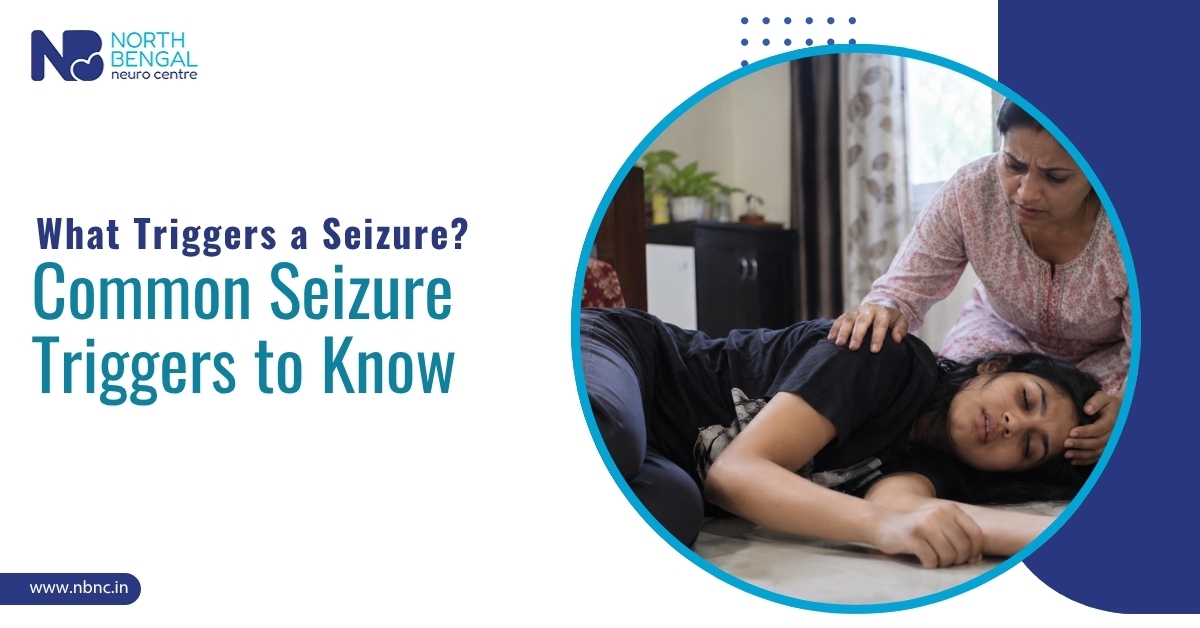



A head injury, whether mild, should never be overlooked. A head injury can have serious and occasionally irreversible neurological effects, and it results from a car accident, fall, sports collision, or severe contact.
The underlying brain damage can be complex, even though some injuries may initially seem minor. Consulting a doctor, like a neurologist, is essential; here, you might see a trusted neurologist in Siliguri or near you.
The Vulnerability of the Brain – Overview
The consistency of the brain is like jelly. Cerebrospinal fluid (CSF) surrounds the sensitive, delicate human brain, shielded by the skull. The skull serves as a robust exterior shell; however, it is not strong enough to avoid harm from forceful motions or sudden collisions.
Your brain can migrate inside the skull when the head is violently shaken or hit. Neurological injury may result from this movement's ability to strain, bruise, or rupture blood vessels and brain tissue.
Brain injuries are especially problematic because neurons, or brain cells, usually cannot regenerate once they have been seriously damaged.
Head Injuries That Can Lead to Neurological Problems
Two broad categories can be used to classify head injuries:
Closed Head Injuries
These happen when the brain sustains damage from a violent collision or sudden, fast acceleration and deceleration, but the skull is unharmed. Typical cases here include:
- Contusions (bruises to the brain)
- Diffuse axonal injury (DAI)
- Concussions
Penetrating Head Injuries
These happen when something pierces the skull and causes direct harm to the brain, and among the examples are:
- Wounds from gunshots
- Penetration of sharp objects
Both types have the potential to cause serious neurological damage.
Neurological Damage After a Head Injury
Neurological problems caused by head injuries can happen through several interrelated ways. Let's talk about the main reasons.
1. Damage to Direct Tissue
Brain tissue may be directly ripped or injured during a head injury. Localized brain damage occurs in contusions, usually at the impact site (coup injury) or on the opposite side because of rebound force (contrecoup injury).
Neural circuits in memory, movement, speech, and cognition are disrupted by this direct trauma or damage.
2. Diffuse Axonal Injury (DAI)
Diffuse axonal injury is among the most severe types of neurological damage. Here, the brain twists inside the skull when there is sudden acceleration or deceleration, like in car accidents.
Axons, the lengthy nerve fibers that carry messages between brain cells, are stretched and sheared because of this twisting motion. When there is damage to axons:
- There is a breakdown in neuronal communication
- Brain signaling either stops completely or becomes ineffective
- There may be widespread brain malfunction
One of the main causes of coma and permanent damage after traumatic brain injury is DAI.
.png)
Bleeding and Hematomas
Internal bleeding may result from a blood vessel rupture caused by head trauma. Hemorrhages can occur when blood pools between the skull and brain. Common types include:
- Hematoma in the epidural space
- A subdural hematoma
- Hemorrhage inside the brain
Intracranial pressure, or the pressure inside the skull, rises as blood builds up. Increased pressure compresses brain tissue. This is because the skull is stiff, which lowers oxygen and blood flow. Now, it may result in additional neurological harm or possibly a potentially fatal brain herniation.
Cerebral Edema/ Swelling
An inflammatory reaction following damage may cause the brain to enlarge or swell. Swelling can limit the flow of oxygen and nutrients and raise intracranial pressure.
Swelling can be caused by metabolic changes due to even minor head injuries. Widespread neuronal injuries and irreversible cognitive damage can result from severe edema.
Oxygen Deprivation (Hypoxia)
Parts of the brain may not get enough oxygen when blood flow is poor (caused by bleeding or swelling). Because of their extreme sensitivity to oxygen deprivation, neurons can die in a matter of minutes.
Long-term deficiencies in memory, attention, and motor function are exacerbated by hypoxic damage.
Chemical and Metabolic Changes
Complex biochemical responses within the brain are also a result of head injuries, and these include:
- Glutamate and other excitatory neurotransmitters are released
- Intake of calcium into neurons
- Oxidative stress
- Malfunction of the mitochondria
This process, which is often known as a "secondary injury cascade," lasts for hours or even days following the initial trauma. Beyond the initial site of injury, it can considerably increase the extent of brain damage.
Short-Term Neurological Effects of Head Injuries
The severity of the injury and the location of the injury determine the early symptoms of neurological problems.
Mild concussions or head injuries
Symptoms are:
- A headache
- Lightheadedness
- Feeling queasy
- Confusion
- Short-term memory loss
- Noise and light sensitivity
Repeated concussions can cause cumulative brain damage, even though they are regarded as mild TBIs.
Moderate to Severe Head Injuries
More severe injuries may lead to:
- Unconsciousness
- Convulsions
- Speech slurred
- Paralysis or weakness
- Severe deterioration of cognition
- Confusion that never goes away
Patients may go into a vegetative state (unresponsive wakefulness syndrome)or coma in extreme circumstances.
Long-Term Neurological Problems
Months or years after the trauma, head injuries may continue to have an impact.
Cognitive Impairment
The following may be impacted by frontal or temporal lobe damage:
- Memory
- Attention span
- Making decisions
- Capabilities for solving problems
People may find it difficult to complete everyday chores, job, or school, but neurologists can resolve these problems with the right care. You might seek guidance from the top neurologists in Siliguri or in your location.
Emotional and Behavioral Changes
Personality and mood can happen due to neurological injury, and the common changes are:
- Depression/ low mood
- Irritability
- Fear
- Aggression
- Impulsivity
The brain regions in charge of controlling emotions are impacted, which results in these changes.
Motor Dysfunction
Cerebellar or motor cortex injuries might result in:
- Poor coordination
- Tremors
- Weakness in muscles
- Walking with difficulty
In extreme situations, paralysis could be partial or total.
Risk of Neurodegenerative Diseases
Repeated head traumas may raise the chance of:
- CTE, or chronic traumatic encephalopathy
- Alzheimer's disease
- Parkinson's disease
Athletes who sustain multiple concussions have been shown to develop chronic traumatic encephalopathy (CTE). Plus, this might cause a steady decrease in cognitive and behavioral abilities.
Final Words
Hemorrhage, edema, oxygen deprivation, and complex metabolic processes can cause neurological damage in head traumas. The importance of neurological care in such cases is invaluable.
Consult a reputable neurologist in Siliguri or in your location for proper care. Timely diagnosis and expert care from your neurologist or neurosurgeon can reduce the risk of future health risks. You may talk to your specialist at North Bengal Neuro Centre.