Chronic kidney disease and end-stage renal disease (ESRD) require timely clinical intervention and ongoing management. When renal function declines to the point where metabolic waste removal and fluid-electrolyte balance can no longer be maintained endogenously, renal replacement therapy such as dialysis becomes essential. Primary modalities include hemodialysis and peritoneal dialysis, which help maintain metabolic stability and support patient well-being.
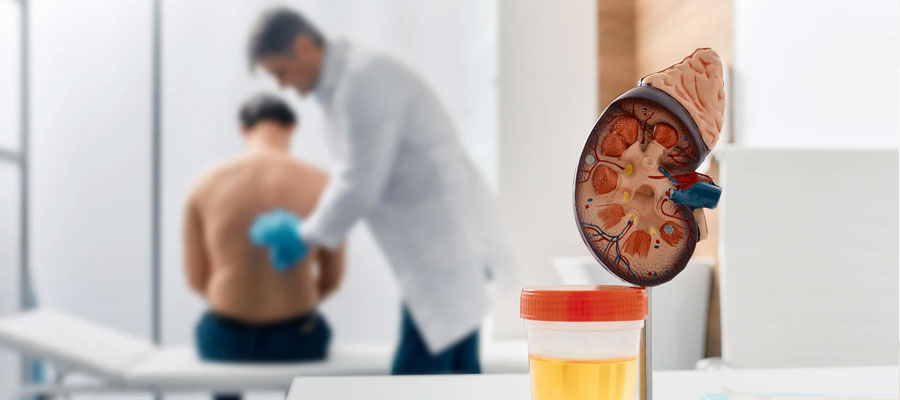
Our qualified nephrologists and clinical care teams at North Bengal Neuro Center in Siliguri provide structured renal replacement therapy. Utilizing established clinical infrastructure and advanced dialysis technology, we deliver individualized care tailored to the specific medical requirements of patients undergoing renal management.
Healthcare Services at North Bengal Neuro Centre
30+
Specialties50+
Diagnostics70+
ProfessionalsClinical Indications for Dialysis
Renal replacement therapy is indicated for various clinical conditions, including:

End-Stage Renal Disease (ESRD)
Dialysis substitutes for failing renal function by clearing metabolic toxins and regulating fluid volume when conservative management is insufficient.
Uremic Waste and Fluid Removal
Correction of severe electrolyte imbalances, metabolic acidosis, and fluid overload refractory to medical therapy.
Pre-Transplant Bridge Therapy
Renal replacement therapy to maintain metabolic stability and clinical health for patients awaiting renal transplantation.

Management of Acute Intoxication
Extracorporeal removal of dialyzable toxins or pharmacological agents in cases of severe acute poisoning or overdose.
Dialysis Services at North Bengal Neuro Center
At North Bengal Neuro Center, our dialysis unit provides comprehensive renal replacement therapies:
Hemodialysis:
Extracorporeal blood filtration utilizing a specialized dialysis machine and artificial membrane to remove metabolic wastes and excess fluid.
Peritoneal Dialysis:
Internal blood purification utilizing the patient's peritoneal membrane as a natural filter following the instillation of sterile dialysis solution into the peritoneal cavity.
Dialysis Session Structure and Patient Protocol:
- Pre-Dialysis Assessment: Nephrological evaluation of clinical status, vital signs, and fluid status prior to each session.
- Session Duration: Standard hemodialysis sessions typically range from 3 to 5 hours, tailored to individual prescription requirements.
- Monitoring and Support: Continuous clinical oversight by trained nursing and medical staff throughout the procedure.
Clinical Risks and Benefits of Dialysis
| Potential Risks and Complications | Clinical Benefits of Therapy |
|---|---|
| Vascular Access Infection: Risk of localized or systemic infection at catheter or access sites. | Uremic Toxin Clearance: Effective removal of metabolic waste products and excess fluid. |
| Hemorrhage: Potential bleeding risks related to anticoagulation or vascular access manipulation. | Electrolyte Regulation: Restoration and maintenance of physiological electrolyte balance. |
| Intradialytic Hypotension: Episodes of acute blood pressure drop during treatment. | Symptom Stabilization: Alleviation of uremic symptoms and stabilization of renal failure complications. |
| Muscle Cramps: Common intradialytic events associated with fluid removal rate. | Metabolic Support: Prevention of acute uremic crises and maintenance of metabolic equilibrium. |
This overview outlines the clinical considerations associated with renal replacement therapy, supporting informed patient understanding.
Why Choose North Bengal Neuro Center for Dialysis Care?
Our nephrology department is structured to support patients managing advanced kidney disease:

Qualified Nephrologists
Experienced specialists providing expert clinical evaluation and individualized dialysis prescriptions.

Advanced Dialysis Equipment
Modern hemodialysis machines and water treatment systems designed to ensure treatment safety and efficacy.

Structured Clinical Environment
A dedicated, hygienic dialysis unit staffed by trained clinical professionals prioritizing patient safety and comfort.

Rigorous Patient Monitoring
Continuous clinical observation and vital sign tracking throughout every treatment session.

Frequently Asked Questions
What is dialysis treatment?
Dialysis is a renal replacement procedure designed to remove metabolic waste products, excess fluids, and maintain electrolyte balance when native renal function is impaired.
What are the primary modalities of dialysis?
The two primary modalities are hemodialysis, which utilizes an extracorporeal blood circuit and dialyzer, and peritoneal dialysis, which utilizes the peritoneal membrane for internal filtration.
What is the typical duration of a hemodialysis session?
Standard hemodialysis treatments generally last between 3 to 5 hours per session, determined by the nephrologist based on patient clinical parameters.
What potential risks are associated with dialysis therapy?
Potential risks include vascular access site infections, bleeding complications, intradialytic hypotension, and muscle cramping, which are actively managed by the clinical team.
Does dialysis serve as a cure for chronic kidney disease?
Dialysis is a supportive renal replacement therapy rather than a cure, maintaining metabolic stability until renal transplantation can be evaluated.
How are dialysis treatment costs determined?
Dialysis expenses vary depending on the chosen modality, session frequency, and individual clinical requirements. Patients are encouraged to consult our administrative and clinical staff for structured cost guidance.