Varicose veins are enlarged, tortuous superficial veins predominantly affecting the lower extremities, resulting from venous valvular incompetence and ambulatory venous hypertension. Clinical manifestations typically include limb heaviness, dependent edema, cutaneous changes, hyperpigmentation, and aching discomfort. If left untreated, chronic venous insufficiency can lead to significant functional impairment and long-term complications.
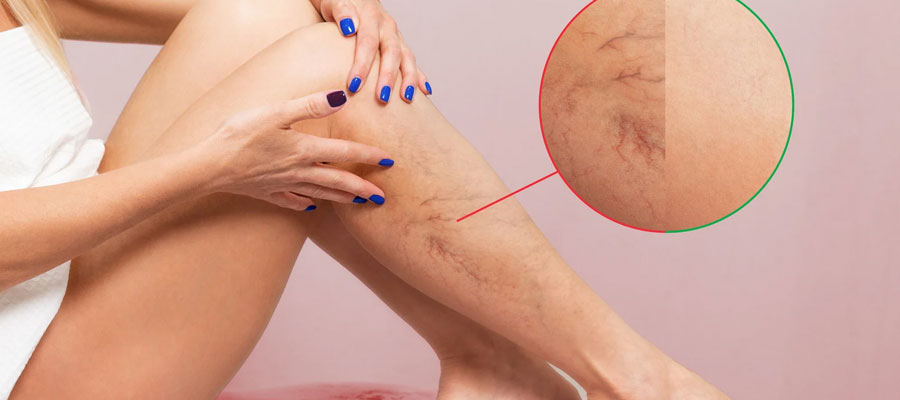
Comprehensive vascular care is provided at North Bengal Neuro Center for symptomatic varicose veins and chronic venous disorders. Our vascular specialists utilize advanced diagnostic mapping and evidence-based therapeutic interventions to deliver structured clinical management for patients in Siliguri.
Healthcare Services at North Bengal Neuro Centre
30+
Specialties50+
Diagnostics70+
ProfessionalsIndications for Vascular Consultation
Patients presenting with signs of chronic venous insufficiency should seek professional evaluation at our vascular department in Siliguri:
- Persistent lower extremity heaviness, aching, or fatigue, particularly following prolonged standing or physical activity.
- Dependent malleolar or lower leg edema associated with venous pooling.
- Local pruritus, cutaneous burning sensations, or paresthesia overlying incompetent veins.
- Dermatologic changes including venous eczema, lipodermatosclerosis, or cutaneous hyperpigmentation.
- Progressive discomfort, night cramps, and symptomatic deterioration over time.
Advanced stages of chronic venous disease may present with severe complications such as superficial thrombophlebitis, hemorrhage, or chronic venous ulceration, necessitating specialized medical and surgical evaluation.
Advanced Varicose Vein Treatment Modalities
Our department offers individualized treatment strategies tailored to the clinical staging and anatomical severity of venous insufficiency at North Bengal Neuro Center:
Treatment modalities include:
Compression Therapy
Prescription of medical-grade graduated compression stockings to support venous return, reduce ambulatory venous pressure, and alleviate edema in early-stage disease or as adjunctive therapy.
Sclerotherapy
Minimally invasive chemical ablation involving the targeted injection of a sclerosant agent into telangiectasias, reticular veins, or small varicose veins to induce fibrosis and luminal obliteration.
Endovenous Laser Treatment (EVLT)
Minimally invasive thermal ablation utilizing laser fiber energy delivered under ultrasound guidance to thermally seal incompetent saphenous veins, redirecting blood flow to deep venous channels.
Radiofrequency Ablation (RFA)
Catheter-based thermal ablation utilizing radiofrequency energy to achieve controlled closure of diseased vein walls with favorable postoperative recovery profiles.
Surgical Ligation and Stripping
Surgical intervention indicated for complex or advanced anatomical variations involving significant tortuosity or saphenofemoral junction incompetence.
All vascular interventions are guided by experienced specialists utilizing advanced diagnostic imaging and structured clinical protocols to ensure procedural safety and efficacy.
Why Choose North Bengal Neuro Center for Varicose Vein Treatment?
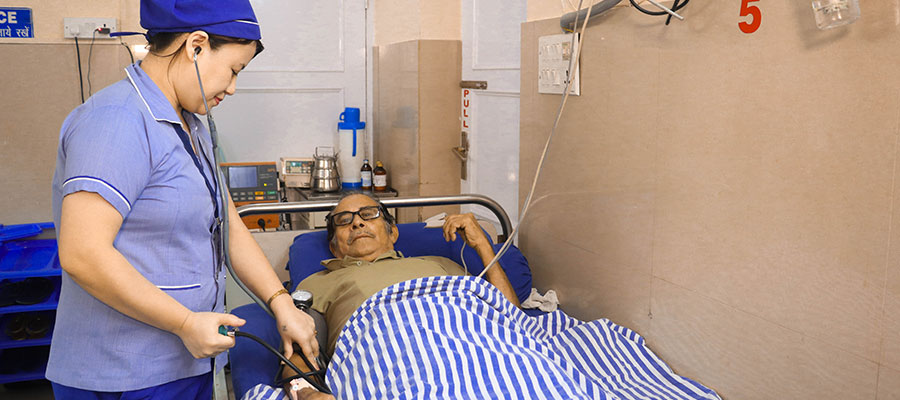
Our vascular department is dedicated to providing high-standard clinical care, emphasizing patient safety and structured follow-up throughout the treatment continuum.
Experienced Vascular Specialists
Clinical team with specialized expertise in the evaluation and management of peripheral vascular and venous disorders.
Minimally Invasive Procedures
Emphasis on endovenous thermal and chemical techniques designed to reduce procedural morbidity, minimize scarring, and shorten recovery periods.
Advanced Diagnostic Imaging
Utilization of high-resolution duplex ultrasonography and venous mapping to accurately assess valvular competence and anatomical reflux.
Individualized Treatment Planning
Customized therapeutic strategies formulated according to duplex findings, clinical classification (CEAP), and patient lifestyle requirements.
Choose North Bengal Neuro Center for professional vascular care in Siliguri, combining advanced procedural modalities with structured clinical management for chronic venous insufficiency.

Frequently Asked Questions
What is the underlying pathophysiology of varicose veins?
Varicose veins result from venous valvular incompetence leading to retrograde blood flow (reflux), venous hypertension, and subsequent dilation of superficial veins. Contributing factors include genetics, prolonged standing, and advanced age.
Do varicose veins resolve spontaneously without medical intervention?
Varicose veins are structurally compromised vessels and typically do not regress spontaneously. While conservative measures can manage symptoms, established venous reflux generally requires medical or surgical intervention.
Are endovenous varicose vein treatments safe and effective?
Yes, contemporary modalities such as endovenous laser treatment (EVLT), radiofrequency ablation (RFA), and ultrasound-guided sclerotherapy are established, highly effective procedures with low complication rates when performed by trained specialists.
What clinical indicators warrant professional vascular evaluation?
Patients experiencing chronic aching, dependent edema, visible bulging superficial veins, skin discoloration, or venous ulceration should seek a formal vascular consultation.
How is the appropriate treatment modality determined?
Treatment selection is based on clinical presentation, patient medical history, and detailed venous duplex ultrasound mapping to determine vein diameter, depth, and reflux patterns.
What is the typical recovery period following minimally invasive vein procedures?
Minimally invasive thermal ablation and sclerotherapy allow for rapid ambulation, with most patients resuming routine daily activities within 24 to 48 hours post-procedure.
Are non-surgical treatments sufficient for advanced chronic venous disease?
While compression and lifestyle modification assist in symptom control, advanced venous insufficiency with significant reflux typically requires definitive endovenous thermal ablation or surgical management.